
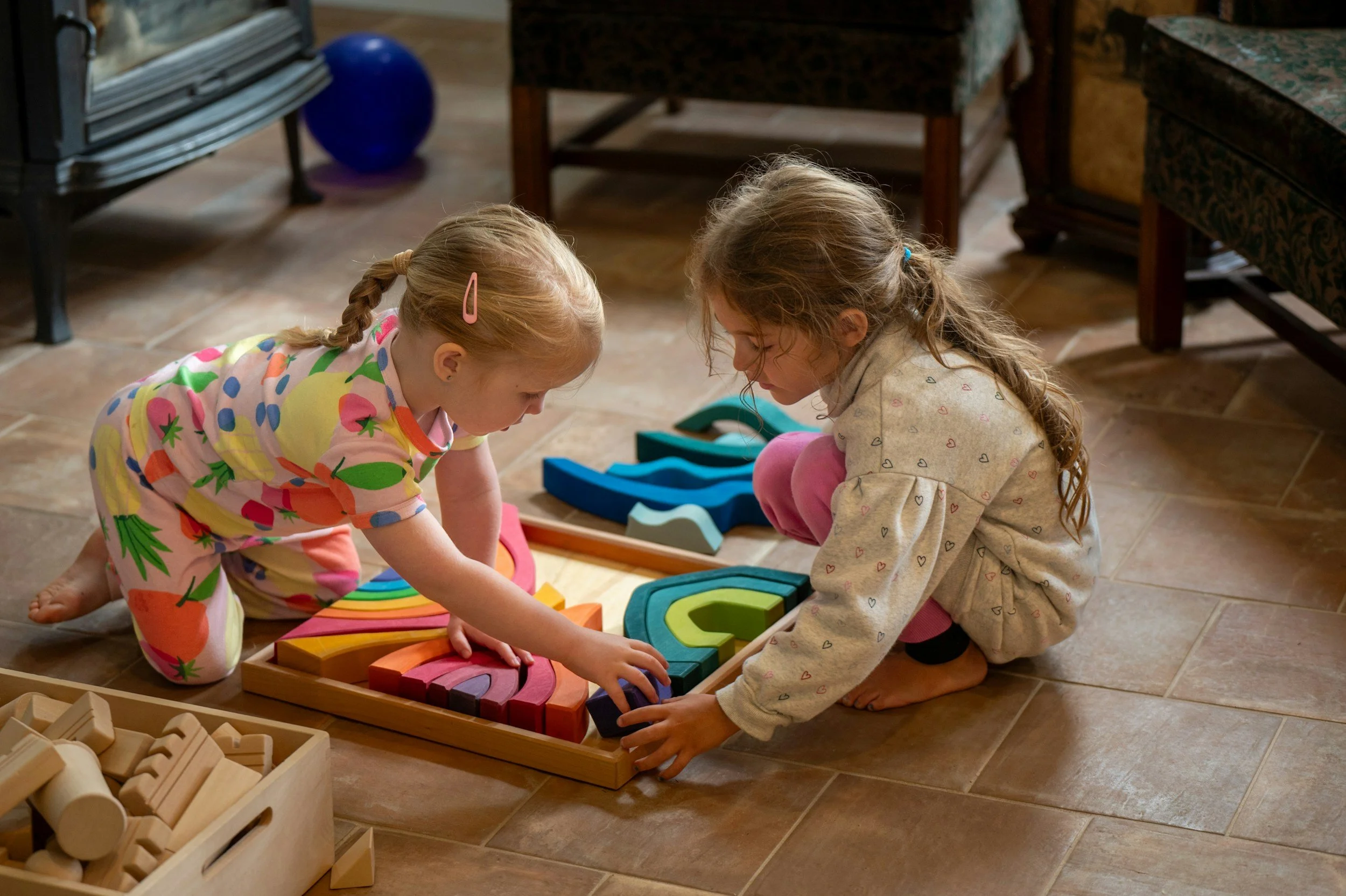
Why Our Preschool Readiness Matters And Why Every Child Deserves the Right Support
It all begins with an idea.
Preparing a child for preschool is an important milestone for families. Parents naturally want to see their child succeed, feel comfortable and confident, and meet developmental expectations.
Wanting your child to be “ready” is not pressure, it’s a parental right.
At the same time, it’s important to recognize an essential truth:
not every child develops on the same timeline. And that is okay.
Readiness Looks Different for Every Child (Ages 3–5)
Children between the ages of 3–5 experience rapid growth in communication, social interaction, emotional regulation, and independence. While some children are naturally prepared for the structure and expectations of preschool or daycare, others may struggle with:
Transitions and routines
Group participation
Communication and language
Following directions
Emotional regulation or behavior
Peer interactions
Separation Anxiety
When a child isn’t ready at the expected time, families often feel stressed, worried, or even blamed. Unfortunately, many children are asked to leave daycare or preschool simply because the environment wasn’t designed to support their developmental needs.
That’s where our Preschool Readiness Program makes a meaningful difference.
What Is Our Preschool Readiness Program?
Our Preschool Readiness Program is designed for children ages 3–5 to help bridge the gap between their current developmental skills and the expectations of preschool, daycare, and early school environments.
Rather than focusing only on academics, we support the whole child by developing:
Social rules and classroom expectations
Turn-taking and cooperative play
Communication and early language skills
Emotional regulation and coping strategies (ex: separation anxiety)
Following routines and transitions
Independence with age-appropriate tasks
Readiness to learn within a group setting
These foundational skills are often the key to a child’s success in early learning environments.
Multidisciplinary Support Makes the Difference
What sets our Preschool Readiness Program apart is that children are supported by a comprehensive therapy team, which may include:
Speech Therapy to support communication, language, and social skills
Occupational Therapy (OT) to address regulation, sensory needs, fine motor skills, and independence
This was designed and developed by a multidisciplinary experienced therapy team working collaboratively to meet each child’s unique needs
This integrated approach allows us to tailor support for each child while helping them succeed within a small group setting.
Supporting Children Who Weren’t the Right Fit—Yet
Many families come to us after their child was asked to leave daycare or preschool. This experience can feel overwhelming and discouraging, but it does not define your child.
Our program was intentionally designed to support children ages 3–5 who:
Struggled in traditional preschool or daycare settings
Needed additional support with social expectations
Had difficulty with communication, regulation, or transitions
Benefit from small groups and individualized attention
Not being ready yet does not mean a child won’t succeed, it means they need the right support at the right time.
Why Small Groups Matter
Our Preschool Readiness Program uses small group formats, allowing our therapy team to:
Provide individualized support within a group environment
Coach social skills in real-time
Reduce overwhelm and anxiety
Build confidence, independence, and success gradually
Children learn best when they feel supported, understood, and capable.
Partnering With Parents for Success
Preschool readiness is not just about the child—it’s about supporting families.
We work closely with parents to:
Understand preschool and daycare expectations
Learn strategies that carry over into the home
Build confidence and advocacy skills
Celebrate progress at every stage
Parents deserve reassurance that they are helping their child prepare for success, without pressure or comparison.
A Path Forward….Not a Label
Our Preschool Readiness Program for children ages 3–5 is not about labels. It’s about providing children with the skills, confidence, and support they need to thrive, while giving parents peace of mind.
Every child deserves the opportunity to feel successful.
And every family deserves support along the way.

Making Time For The Family At Mealtime
It all begins with an idea.
In today’s busy world, family mealtimes can easily slip through the cracks. Between work schedules, therapy appointments, school, homework, and extracurricular activities, sitting down together can feel like just one more thing on an already full to-do list. But mealtime is about so much more than eating, it’s an opportunity for connection, communication, and growth.
Why Family Mealtime Matters
When families eat together, children benefit in ways that go far beyond nutrition. Regular family meals are linked to:
Stronger communication skills
Improved social interaction and turn-taking
Increased exposure to new foods
Better emotional regulation
A sense of routine, safety, and belonging
For children receiving speech, feeding, occupational, or behavioral therapy, mealtime can be a powerful extension of what they are learning in therapy sessions.
Mealtime Is a Natural Learning Environment
Mealtime naturally encourages skills such as:
Requesting and labeling foods
Following simple directions
Taking turns in conversation
Tolerating new textures, smells, and tastes
Using utensils and self-feeding skills
These moments don’t need to feel like “therapy.” Simple, everyday interactions—passing food, asking for more, describing tastes, create meaningful learning opportunities without pressure.
It’s About Presence, Not Perfection
Family mealtime doesn’t have to look picture-perfect. It doesn’t require elaborate meals, long conversations, or everyone sitting perfectly still. What matters most is being present together.
Even short meals count. A shared breakfast, a weekend lunch, or a few dinners a week can make a big difference. Turning off screens, slowing down, and focusing on one another helps children feel seen and supported.
Supporting Picky Eaters Without Pressure
For families navigating feeding challenges, mealtime can feel stressful. Keep in mind:
Progress happens through exposure, not force
Children learn by watching others eat
Small steps, like touching or smelling a food, are meaningful wins
Keeping mealtimes calm and predictable helps children feel safe enough to explore foods at their own pace.
Building Connection One Meal at a Time
Mealtime is one of the few moments in the day when families can pause, reconnect, and check in with one another. It’s a chance to celebrate successes, model positive behaviors, and build routines that support both emotional and developmental growth.
When families make time for mealtime, even imperfectly, they create moments that support communication, confidence, and connection.
How Therapy Supports Mealtime Success
Our therapy team works closely with families to help make mealtime more successful at home. Whether it’s feeding strategies, communication supports, sensory considerations, or routines that fit your family’s lifestyle, we believe therapy works best when it carries over into everyday moments.
Because progress doesn’t just happen in the therapy room, it happens around the family table.
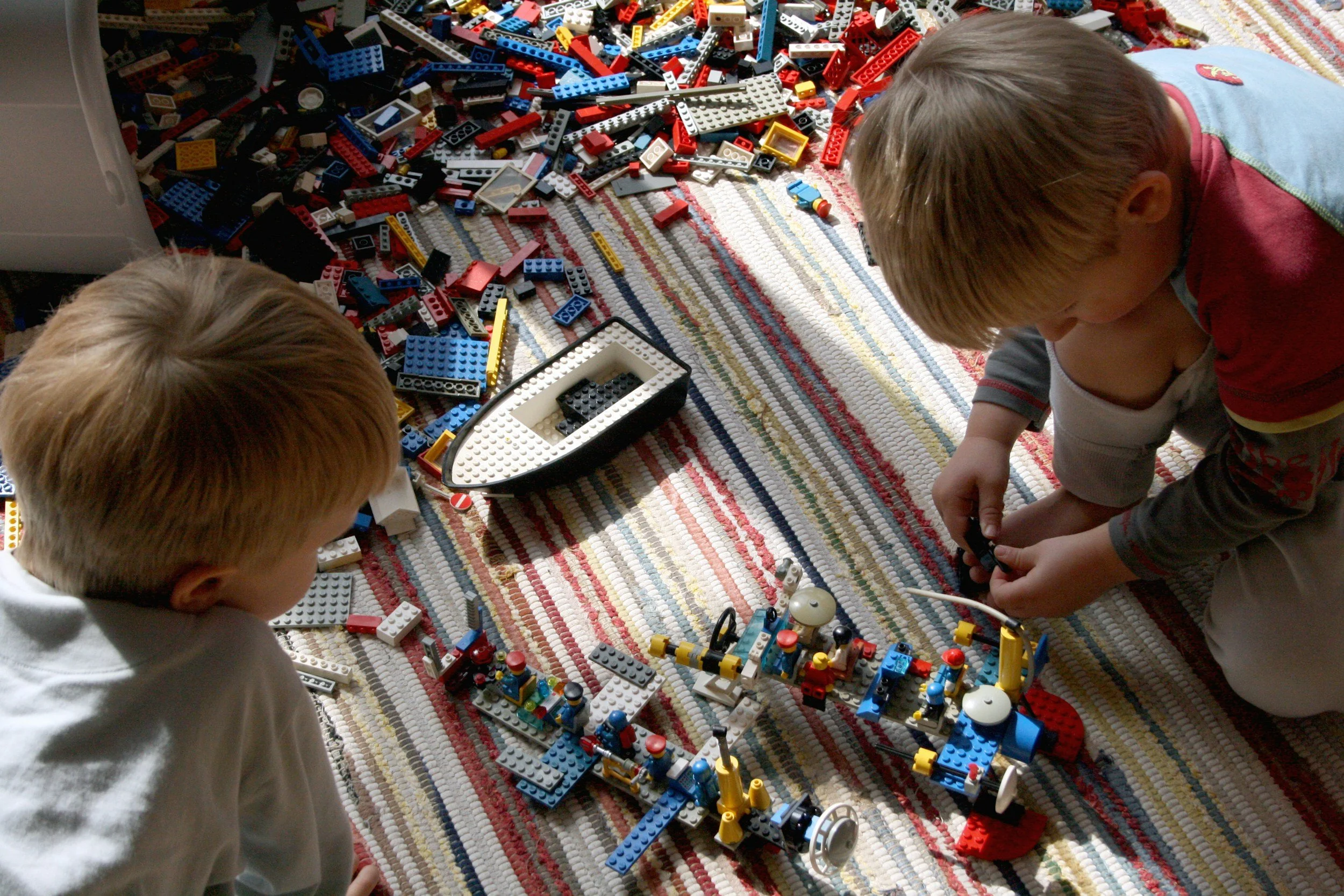
After School Social Skills Enrichment: Why It Matters and Why Our Program Stands Out
It all begins with an idea.
After school programs provide a safe, structured environment where children can practice social interactions beyond the classroom.
Social skills are the foundation for a child’s success, not just in school, but in life. From making friends and managing conflicts to understanding emotions and following routines, strong social skills are essential for confidence, independence, and emotional well-being.
For many children, particularly those with autism or other developmental differences, learning these skills in the classroom alone may not be enough. That’s why after school social skills enrichment programs are so important.
Why Social Skills Enrichment Matters
Key benefits include:
Improved peer relationships: Children learn to initiate, maintain, and end conversations appropriately.
Emotional regulation: Kids develop tools to manage frustration, excitement, or disappointment.
Problem-solving: Group activities encourage cooperation and creative solutions to everyday challenges.
Confidence building: Success in small social tasks boosts self-esteem and encourages participation in new settings.
For children with unique needs, these programs can be transformative, helping them navigate social environments more effectively and reducing anxiety in everyday interactions.
Why Our Program Is the Best Choice
At our centers, After School Social Skills Enrichment is not just an add-on, it’s a carefully designed program supported by a comprehensive, experienced therapy team. Here’s what sets us apart:
Small Group Sizes: We maintain small groups to ensure individualized attention and meaningful participation.
Experienced Therapists: Our speech-language pathologists, occupational therapists, and social skills specialists have years of experience and a proven track record of success.
Multidisciplinary Approach: Therapy is integrated across disciplines, so children receive support tailored to their unique strengths and challenges.
Real-World Practice: Skills are taught and practiced in ways that can be applied at home, school, and in the community.
Parent Involvement: Families are provided with tools, strategies, and guidance to reinforce learning outside of sessions.
The Results Speak for Themselves
Children who participate in our program develop stronger friendships, improved communication skills, and increased confidence in their abilities. Parents report greater ease with transitions, reduced frustration at home, and noticeable growth in independence.
Our commitment is to help each child thrive socially, emotionally, and academically. By combining structured learning, individualized attention, and professional guidance, we provide a program that goes beyond basic enrichment, as it truly prepares children for real-world interactions and success. all begins with an idea. Maybe you want to launch a business. Maybe you want to turn a hobby into something more. Or maybe you have a creative project to share with the world. Whatever it is, the way you tell your story online can make all the difference.
Don’t worry about sounding professional. Sound like you. There are over 1.5 billion websites out there, but your story is what’s going to separate this one from the rest. If you read the words back and don’t hear your own voice in your head, that’s a good sign you still have more work to do.
Be clear, be confident and don’t overthink it. The beauty of your story is that it’s going to continue to evolve and your site can evolve with it. Your goal should be to make it feel right for right now. Later will take care of itself. It always does.

Helping Picky Eaters: Why Experienced Pediatric Feeding Specialists Make the Difference
It all begins with an idea.
Mealtime can be stressful for families when children are selective or refuse certain foods. While picky eating is common in toddlers, persistent feeding challenges can impact growth, nutrition, and family harmony. Knowing when and how to seek help is key.
Understanding Picky Eating
Picky eating often includes:
Limited food variety
Strong preferences for certain textures or colors
Refusal to try new foods
Gagging, vomiting, or anxiety at mealtimes
While occasional pickiness can be considered normal, ongoing struggles may signal a need for professional support, especially if a child’s growth, health, or social participation is affected.
Early Support Makes a Difference
Parents and caregivers play a crucial role in helping children expand their eating habits. Strategies include:
Offering choices rather than pressuring
Modeling positive mealtime behavior
Introducing new foods gradually
Maintaining calm and consistent routines
However, these strategies may not be enough for children with more complex feeding challenges, sensory sensitivities, or oral motor difficulties.
Why Experience Matters
Not all therapists are equally trained in pediatric feeding. Experienced feeding specialists understand the nuanced combination of:
Oral motor development
Chewing & swallowing processes
Sensory processing
Behavioral strategies
Medical and nutritional considerations
Working with a seasoned professional ensures that interventions are safe, evidence-based, and tailored to the individual child, rather than a one-size-fits-all approach.
Signs It’s Time to Seek a Specialist
Consider reaching out to a pediatric feeding therapist if your child:
Eats a very limited number of foods for several months
Shows extreme gagging, vomiting, or distress
Has difficulty chewing or swallowing
Demonstrates anxiety or behavioral challenges around meals
Has been referred out of daycare or preschool due to feeding difficulties
Our Approach
At our center, children receive multidisciplinary support from therapists with years of experience in pediatric feeding. Our team collaborates with families to:
Develop individualized feeding plans
Provide hands-on therapy sessions
Coach parents in practical strategies for home
Monitor growth, progress, and overall health
By seeking the guidance of experienced specialists, parents can help picky eaters expand their diets, reduce mealtime stress, and set the stage for lifelong healthy eating habits.